The Systems That Make a Business Sellable
Many professional services firms generate strong revenue while quietly building very little transferable value.
The founder is still the rainmaker, the decision-maker, the client relationship manager, and the operational backbone of the business.
From the outside, the firm looks successful.
But from a buyer’s perspective, the business may feel risky, fragile, and difficult to scale.
Most founder-led businesses are harder to sell than the owner realizes.
Not because the business lacks revenue.
Not because the market is weak.
But because the business depends too heavily on the founder to function.
If operations, decision-making, client relationships, and financial oversight live primarily in the founder’s head, buyers see risk — not scalability.
And risk lowers valuation.
The businesses that command premium valuations are usually built on systems that create consistency, visibility, operational maturity, and leadership independence.
That includes:
documented SOPs
KPI dashboards
financial visibility
integrated operational systems
leadership infrastructure
forecasting systems
decision-making processes that do not rely entirely on the founder
Because buyers are not purchasing your work ethic.
They are purchasing a business that can continue operating profitably after you leave.

Take the “Is My Business Sellable?” Assessment today!
Quick Answer: What Systems Make A Business More Sellable?
The systems that make a business more sellable include:
documented SOPs
KPI dashboards
centralized financial reporting
CRM and operational software
forecasting and cash flow systems
leadership structures that reduce founder dependency
project management and workflow automation systems
These systems improve operational consistency, reduce risk, strengthen scalability, and create buyer confidence.
Why Systems Matter In Business Valuation
Sophisticated buyers evaluate far more than revenue growth.
They assess:
operational efficiency
profitability
financial visibility
scalability
leadership structure
founder dependency
process consistency
customer concentration
recurring revenue quality
A business with weak systems creates uncertainty.
A business with strong systems creates predictability.
And predictability increases value.
A consulting firm generating $2 million in annual revenue may receive dramatically different valuations depending on whether the business relies entirely on the founder or operates through documented systems and leadership infrastructure.
According to McKinsey & Company, businesses with significant key-person risk often struggle during ownership transitions because too much operational knowledge and decision-making remain concentrated with the founder.
This is one of the biggest hidden valuation killers in professional services firms.

Take the “Is My Business Sellable?” Assessment today!
SOPs Create Operational Consistency
Most founders resist documenting processes because they believe:
“My team already knows what to do.”
“It takes too much time.”
“Nobody can do it like I can.”
But undocumented businesses create enormous risk during due diligence.
If workflows only exist through conversations, memory, or founder involvement, buyers immediately question transferability.
Standard Operating Procedures (SOPs) help create repeatable processes across:
client onboarding
service delivery
invoicing
sales processes
project management
hiring and training
customer communication
reporting workflows
The goal is not bureaucracy.
The goal is reducing operational dependency on one person.
Strong SOPs make businesses:
easier to scale
easier to train
easier to manage
easier to transfer
Without systems, the founder becomes the operating system.
That is not attractive to buyers.
Take the “Is My Business Sellable?” Assessment today!
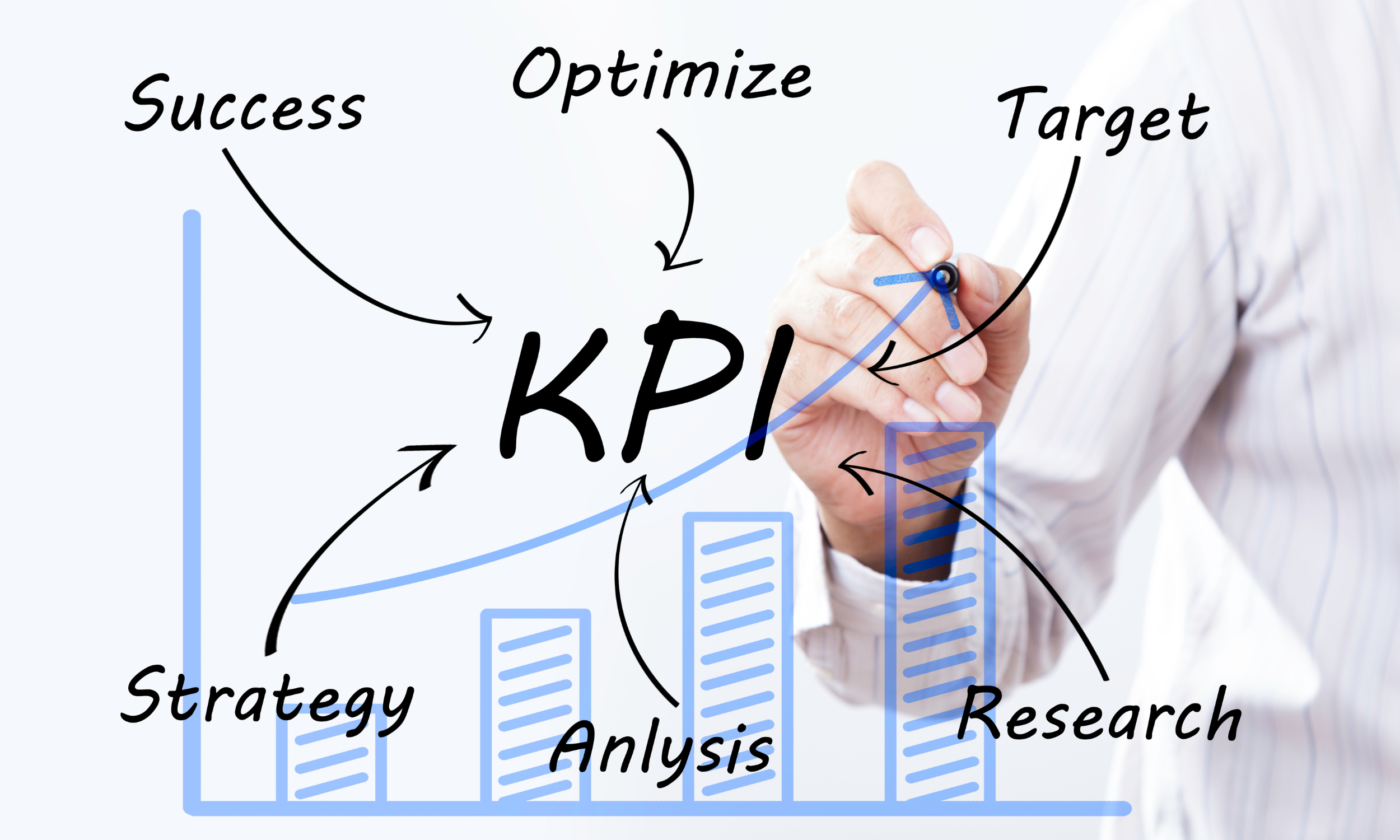
KPI Dashboards Improve Decision-Making
Many businesses collect large amounts of data but still lack visibility.
That is because data alone does not create insight.
Buyers want evidence that leadership understands the financial and operational drivers of the business.
That requires meaningful KPIs and dashboards.
Strong dashboards help leadership answer questions like:
Which services generate the highest margins?
Is growth improving cash flow or hurting it?
Are accounts receivable getting worse?
What happens to profitability if payroll increases?
Are utilization rates improving?
Is customer concentration becoming a risk?
Is the business producing healthy operating cash flow?
Without visibility, businesses become reactive.
And reactive businesses rarely receive premium valuations.
Gartner’s 2024 CFO Survey ranked metrics, analytics, and reporting as the top CFO priority for 2025, highlighting the growing importance of real-time financial visibility and strategic reporting.
This is exactly why dashboards matter.
They transform financial reporting into strategic decision support.
Financial Visibility Reduces Buyer Risk
One of the fastest ways to destroy buyer confidence is poor financial visibility.
Many founders believe their financials are “fine” because revenue is growing.
But buyers want clarity beyond top-line sales.
They want to understand:
profitability by service line
recurring versus non-recurring revenue
customer concentration
working capital requirements
cash flow trends
EBITDA quality
forecast accuracy
operational efficiency
If leadership cannot clearly explain the economics of the business, buyers begin questioning the reliability of everything else.
Financial visibility signals operational maturity.
It demonstrates that leadership understands the business strategically — not just operationally.
According to Deloitte Insights, operational resilience, data visibility, and scalable systems have become increasingly important drivers of enterprise value as buyers place greater emphasis on predictability, risk management, and sustainable growth.
This becomes especially important during economic uncertainty when buyers become more risk-sensitive and diligence becomes more aggressive.
Take the “Is My Business Sellable?” Assessment today!
Leadership Systems Matter More Than Most Founders Realize
Many founders believe systems are primarily operational.
But leadership systems are equally important.
Professional services firms often become deeply dependent on the founder’s judgment, relationships, and decision-making.
Over time, the founder becomes:
the lead salesperson
the primary client relationship manager
the escalation point
the approval process
the quality control system
the strategic decision-maker
That creates substantial transition risk for buyers.
Businesses with stronger valuations typically develop leadership infrastructure before a sale process begins.
That includes:
delegated decision-making
department accountability
transferable client relationships
second-layer leadership
documented management processes
operational reporting rhythms
Buyers pay premium valuations for businesses that can continue operating effectively without constant founder intervention.

Take the “Is My Business Sellable?” Assessment today!
Why Spreadsheets Aren’t Enough
Spreadsheets work in the early stages of business.
But they become increasingly dangerous as companies scale.
The problem is not spreadsheets themselves.
The problem is relying on disconnected, manual systems to operate a growing company.
As businesses grow, spreadsheet dependency often creates:
outdated reporting
manual errors
version control issues
siloed information
inconsistent calculations
lack of real-time visibility
dependence on one employee who “knows the file”
Eventually, spreadsheets become operational liabilities.
Sophisticated buyers recognize this immediately.
A business operating primarily through spreadsheets often signals weak infrastructure and immature systems.
Sellable businesses invest in centralized tools that improve visibility and operational consistency, including:
cloud accounting systems
CRM platforms
forecasting software
KPI dashboards
workflow automation tools
project management systems
Technology alone does not create value.
But integrated systems absolutely improve scalability, efficiency, and transferability.
Founder Dependency Quietly Destroys Value
Many founders unintentionally build themselves into the center of the business.
At first, that helps growth.
Later, it suppresses value.
The business cannot scale efficiently because too many critical functions depend on one person.
This creates significant buyer risk.
The firms that achieve premium valuations are usually built differently.
They have systems, leadership structures, financial visibility, and operational consistency that allow the business to function independently of the founder.
That is what buyers want.

Take the “Is My Business Sellable?” Assessment today!
The Bottom Line
A sellable business is not built on hustle alone.
It is built on systems.
SOPs create consistency.
Dashboards create visibility.
Financial systems create clarity.
Leadership systems create independence.
And clarity creates buyer confidence.
Because buyers do not pay premium multiples for businesses that depend entirely on the founder to survive.
They pay premium multiples for businesses that are operationally mature, financially visible, scalable, and transferable.
The businesses that sell well are rarely accidental.
They are intentionally built to operate beyond the founder.
FAQ
What systems increase business valuation?
Systems that improve operational consistency, financial visibility, scalability, and leadership independence increase business valuation. This includes SOPs, KPI dashboards, CRM systems, forecasting tools, workflow automation, and centralized reporting systems.
Why do buyers care about SOPs?
SOPs reduce operational risk by ensuring processes are documented and repeatable. Buyers want confidence that the business can continue operating smoothly after ownership changes.
Why are KPI dashboards important in a business sale?
KPI dashboards provide visibility into profitability, cash flow, operational performance, and growth trends. They help buyers evaluate how effectively the business is managed.
Are spreadsheets bad for growing businesses?
Spreadsheets are useful tools, but relying on them exclusively creates operational risk as businesses scale. Manual processes and fragmented reporting reduce visibility and increase the likelihood of errors.
How does founder dependency reduce business value?
Founder dependency increases buyer risk because the business may struggle to operate effectively without the owner. Buyers pay higher valuations for businesses that function independently of the founder.
Find Out What May Be Quietly Reducing Your Business Value
Take the “Is My Business Sellable?” Assessment to identify the operational gaps, financial risks, leadership weaknesses, and founder dependencies that may be quietly reducing the value of your business today.
Take the “Is My Business Sellable?” Assessment today!