Why Buyers Care More About Profit Quality Than Revenue Size
Quick Answer
Buyers care more about profit quality than revenue size because revenue does not guarantee a business is stable, transferable, or financially healthy. Buyers want predictable earnings, strong cash flow, healthy margins, and low operational risk. A business with smaller but reliable profits is often worth more than a larger company with unstable revenue and weak financial controls.
Revenue Doesn’t Equal Business Value
Many business owners assume bigger revenue automatically means a more valuable business.
It doesn’t.
A company generating $10 million in revenue with unstable margins, weak cash flow, and founder dependency may be worth far less than a business generating $3 million with strong recurring profit and operational stability.
Buyers do not purchase revenue.
They purchase future cash flow, predictability, and reduced risk.
That’s why profit quality matters far more than revenue size during a business sale.
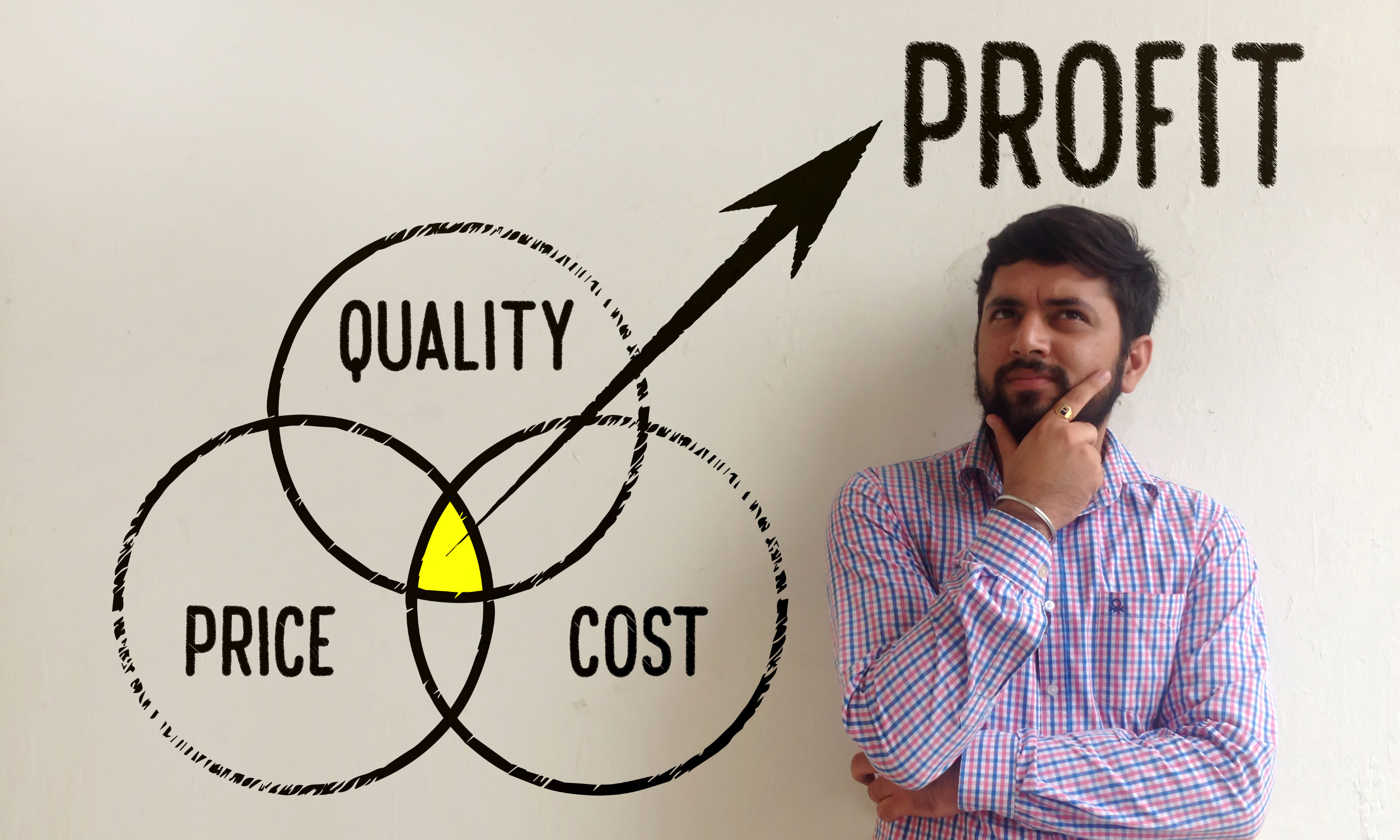
What Is Profit Quality?
Profit quality refers to how sustainable, predictable, and transferable a company’s earnings are.
A buyer wants to know:
Are profits consistent year after year?
Is cash flow reliable?
Are margins healthy?
Can the business continue performing without the owner?
Are the financials clean and trustworthy?
Is growth profitable or chaotic?
High-quality profits create buyer confidence.
Low-quality profits create skepticism.
This distinction can dramatically impact valuation multiples, deal structure, and whether a deal closes at all.
According to Deloitte, buyers increasingly rely on quality of earnings (QoE) analysis to determine whether a company’s earnings are sustainable, repeatable, and supported by operational reality. QoE reviews often uncover issues hidden beneath strong revenue growth, including inconsistent margins, customer concentration, and non-recurring revenue sources.
Why Buyers Don’t Get Excited About Revenue Alone
Revenue is often considered a vanity metric in mergers and acquisitions.
A business can produce millions in sales while still having:
Weak margins
Poor cash management
Unstable operations
High customer concentration
Heavy founder dependence
Inconsistent earnings
Excessive debt
Cash flow problems
Sophisticated buyers know this.
They understand that large revenue numbers can hide operational inefficiencies and financial instability.
This is especially common in founder-led businesses that grow quickly without building strong financial infrastructure.
As many business leaders experience today, rapid growth combined with economic uncertainty creates pressure on profitability, decision-making, and cash management.
Revenue may look impressive from the outside, but buyers dig deeper.
They want to understand whether the business is financially healthy beneath the surface.

Buyers Are Purchasing Future Earnings
Business valuation is based largely on future expected earnings, not historical revenue totals.
Buyers ask questions like:
Will this business continue generating profit after acquisition?
How risky are these earnings?
How dependent is profitability on the founder?
Are margins improving or shrinking?
Is growth sustainable?
How predictable is future cash flow?
The more confidence buyers have in future earnings, the higher the valuation multiple tends to be.
That means a business with smaller but highly predictable profits often commands a stronger valuation than a larger business with volatile performance.
The International M&A Partnership (IMAP) explains that buyers evaluate earnings through the lens of sustainability and risk, not simply the seller’s internal reporting numbers. If sellers cannot clearly support and defend their earnings quality, buyers often reduce valuation to account for uncertainty.
What Reduces Profit Quality?
Founder Dependence
If the owner controls key relationships, pricing decisions, or operations, buyers see risk.
A transferable business is far more valuable than a founder-reliant one.
Customer Concentration
If one customer represents a large percentage of revenue, profitability becomes fragile.
Losing that client could severely impact the business.
Weak Cash Flow
Revenue growth without strong cash flow management often creates operational stress.
Many businesses scale sales while simultaneously increasing debt and shrinking margins.
Messy Financial Reporting
Unclear financials reduce trust during due diligence.
If buyers cannot confidently understand the numbers, they assume risk is higher than reported.
As business leaders increasingly face information overload and financial ambiguity, decision-making becomes harder without reliable financial insight.
Inconsistent Earnings
Volatile profits create uncertainty about future performance.
Buyers pay premiums for consistency, not chaos.

What High-Quality Profit Looks Like
Businesses with high-quality profit typically have:
Predictable Cash Flow
Reliable cash flow shows the business can sustain operations without constant financial pressure.
Healthy Margins
Strong margins demonstrate pricing power and operational discipline.
Diversified Revenue
No single customer, employee, or service line creates excessive risk exposure.
Clean Financial Statements
Transparent reporting builds buyer trust during due diligence.
Operational Independence
The business can operate effectively without the founder involved in daily operations.
Strategic Financial Leadership
Strong businesses use financial data proactively instead of reactively.
They use financial insight to improve profitability, manage risk, and support strategic decisions.
Why Profit Quality Increases Valuation Multiples
Valuation multiples are heavily influenced by risk.
The lower the perceived risk, the higher the multiple.
Buyers pay premium valuations for businesses that offer:
Stability
Predictability
Transferability
Strong cash generation
Operational maturity
Financial visibility
They discount businesses with inconsistent profitability, poor financial controls, and excessive founder reliance.
This is why two businesses with identical revenue can sell for dramatically different amounts.
One may command a premium multiple because profits are stable and transferable.
The other may receive a discounted valuation because buyers perceive operational and financial risk.

How To Improve Profit Quality Before Selling Your Business
If you want to increase business value before a future exit, focus on improving:
Cash flow management
Margin strength
Financial reporting accuracy
Operational systems
Customer diversification
Leadership structure
Forecasting and KPI tracking
Founder independence
These improvements increase buyer confidence and strengthen valuation potential.
Frequently Asked Questions
Why is profit more important than revenue when selling a business?
Profit matters more because buyers care about future earnings and cash flow, not just sales volume. Revenue without healthy margins or predictable profits creates risk.
What is quality of earnings?
Quality of earnings refers to how sustainable, repeatable, and reliable a company’s profits are over time.
Can a smaller business be worth more than a larger one?
Yes. A smaller business with stable profit, strong cash flow, and low operational risk can command a higher valuation multiple than a larger but unstable company.
What reduces business valuation the most?
Common valuation killers include founder dependence, inconsistent profits, weak cash flow, customer concentration, and messy financial reporting.
The Bottom Line
Revenue might attract attention.
Profit quality closes deals.
Buyers are not looking for businesses that simply generate sales. They are looking for businesses that generate sustainable, transferable, and predictable earnings with manageable risk.
That is what creates enterprise value.
If your business depends on constant owner involvement, inconsistent margins, or financial guesswork, buyers will see risk no matter how impressive the revenue appears.
But when profit is stable, cash flow is healthy, and operations are transferable, your business becomes significantly more valuable — and far more attractive to serious buyers.
Take the “Is My Business Sellable?” Assessment
If you want to understand the hidden risks reducing your business value before buyers discover them, take the “Is My Business Sellable?” Assessment today. It will help uncover founder dependency, valuation weaknesses, operational risks, and financial blind spots that may be lowering your company’s market value.