How Can a Founder Increase Business Valuation Before Selling?
Most business owners assume that growing revenue automatically increases the value of their business.
It doesn't.
A business generating $5 million in revenue can be worth significantly less than a business generating $3 million in revenue if the smaller company is more profitable, less dependent on the owner, and easier to transfer to a buyer.
If you're planning to sell your business in the next two to five years, understanding what drives valuation is critical. Buyers don't purchase revenue. They purchase future cash flow, growth potential, and confidence that the business will continue to succeed after you leave.
The good news is that valuation is not fixed. There are specific steps founders can take to increase the value of their business before going to market.
Quick Answer
The fastest ways to increase business valuation before selling include:
Building documented systems and processes
Improving financial reporting and forecasting
Creating predictable recurring revenue
Strengthening the management team
Demonstrating a clear growth strategy
The earlier you begin working on these areas, the greater the impact on valuation.
Grab your copy of The 8 Drivers of Business Value today!
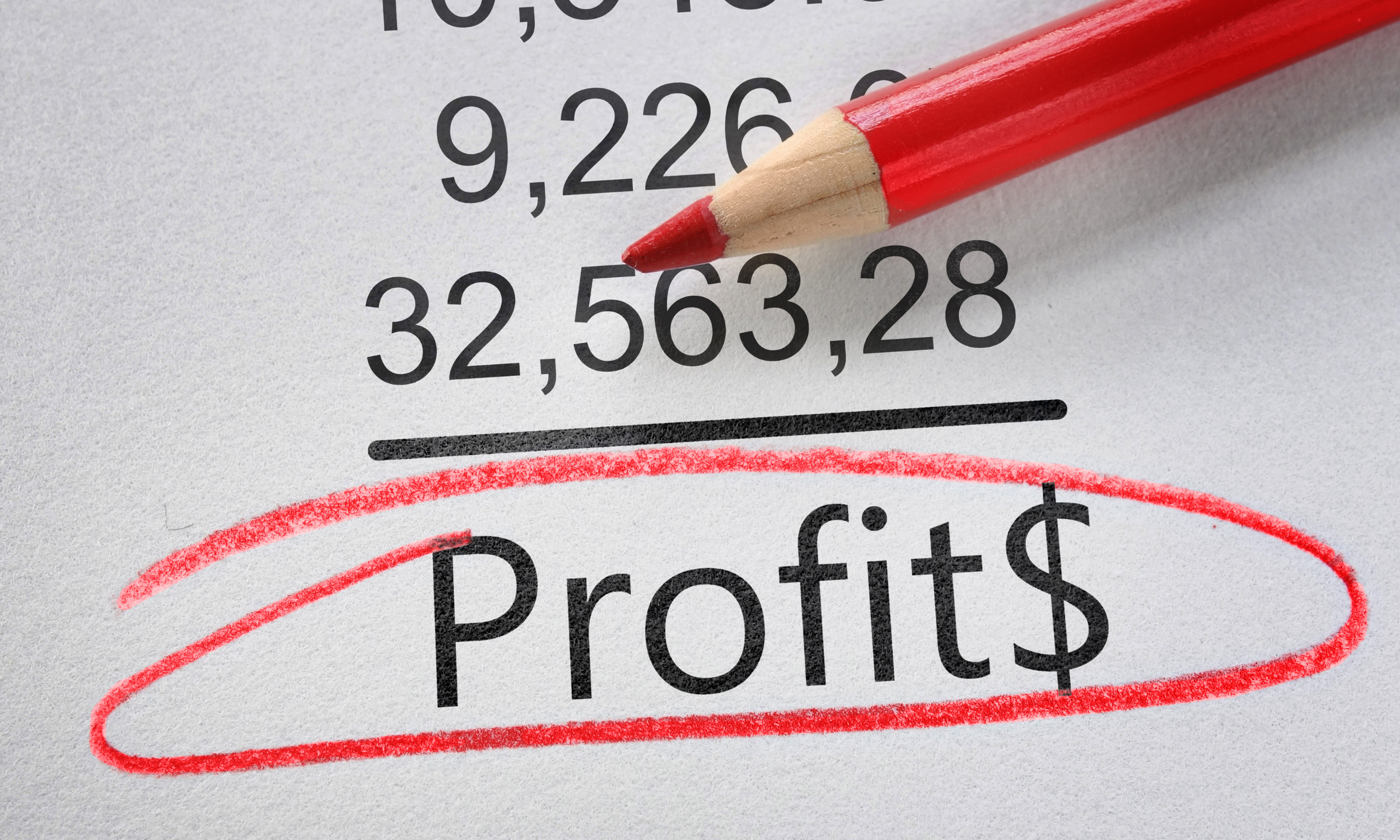
Focus on Profitability, Not Revenue
Many founders chase revenue growth while ignoring margins.
From a buyer's perspective, a business that generates strong, predictable profits is significantly more attractive than one that produces impressive sales numbers but weak earnings.
Private equity firms, strategic buyers, and individual acquirers typically value businesses based on earnings metrics such as EBITDA rather than top-line revenue.
This is one reason buyers focus heavily on earnings rather than sales. According to Acquire.com's 2024 Acquisition Multiples Report, profitable businesses consistently attract more buyer interest and stronger offers than businesses that prioritize revenue growth without demonstrating healthy margins. Buyers want confidence that future earnings are sustainable, not just that revenue is growing.
Ask yourself:
Are pricing strategies optimized?
Are low-margin products or services dragging down profits?
Are expenses aligned with growth objectives?
Is cash flow improving alongside revenue?
Improving profitability often produces a greater valuation increase than simply generating additional sales.
Reduce Founder Dependency
One of the biggest valuation killers is founder dependency.
If customers only want to work with you, if employees come to you for every decision, or if critical knowledge exists only in your head, buyers will see risk.
When a business revolves around the founder, the buyer is essentially purchasing a job rather than an asset.
Businesses that can operate independently of the owner command higher valuations because they are easier to transition and scale.
Founder dependency is one of the most common reasons businesses receive discounted offers. When customer relationships, operational knowledge, and key decisions are concentrated in one person, buyers see elevated risk. Many advisors estimate that founder-dependent businesses can receive valuation discounts of 30% to 50% compared to businesses with transferable systems, processes, and leadership structures already in place.
To reduce founder dependency:
Delegate decision-making authority
Transfer customer relationships to team members
Document key operational processes
Develop leadership capabilities within the organization
Create accountability systems that don't rely on the owner
The less the business depends on you, the more valuable it becomes.
Build Systems and Processes
Buyers want predictability.
Documented systems demonstrate that the business can consistently deliver results regardless of who is running it.
This includes:
Sales processes
Client onboarding systems
Employee training documentation
Financial management procedures
Without documented systems, buyers often assume that success depends on tribal knowledge, which increases transition risk.
Well-documented businesses are easier to transfer, easier to scale, and therefore worth more.

Grab your copy of The 8 Drivers of Business Value today!
Strengthen Financial Visibility
One of the fastest ways to undermine a sale is poor financial reporting.
Buyers need confidence in the numbers before they will invest significant capital. According to Grant Thornton's business valuation guidance, buyers assess not only historical performance but also the quality, sustainability, and risk profile of future cash flows. Financial clarity helps buyers understand the business and reduces uncertainty during due diligence.
Your financial reporting should provide:
Accurate monthly financial statements
Cash flow forecasting
Profitability by product, service, or customer
Key performance indicators (KPIs)
Historical trends and performance analysis
Clean financial records reduce buyer uncertainty and help justify a higher valuation.
As we often tell clients, buyers don't pay premium multiples for businesses they don't understand.
Create Recurring and Predictable Revenue
Predictability reduces risk.
The more confidence buyers have in future revenue, the more they are typically willing to pay.
Businesses with recurring revenue models often command higher multiples because future cash flow is easier to forecast.
Examples include:
Subscription services
Retainer agreements
Maintenance contracts
Membership programs
Long-term customer agreements
Even if your business is not subscription-based, increasing customer retention and repeat business can improve predictability and valuation.
Build a Strong Management Team
A capable management team signals that the business can continue operating successfully after the founder exits.
Many buyers evaluate management depth before evaluating growth opportunities.
Ask yourself:
Who runs the business when you're on vacation?
Can key decisions be made without you?
Is there a leadership succession plan?
A business supported by strong managers is less risky than one where the owner remains the sole decision-maker.
Investing in leadership development today can significantly increase enterprise value tomorrow.

Grab your copy of The 8 Drivers of Business Value today!
Develop a Credible Growth Story
Buyers are not just purchasing what your business is today.
They are purchasing what it could become.
Every buyer wants to understand where future growth will come from.
Can the business expand geographically?
Can new products or services be introduced?
Are there untapped customer segments?
Is there potential for acquisitions?
A strong growth story can also influence the multiple a buyer is willing to pay. According to KMC Transaction Advisory & Business Valuation, valuation multiples are heavily influenced by factors such as growth potential, scalability, earnings quality, cash flow stability, and overall business risk. Buyers are often willing to pay premium multiples when they can clearly see future opportunities for expansion.
A documented growth strategy demonstrates opportunity and gives buyers confidence that additional value can be created after acquisition.
Improve Decision-Making Through Financial Leadership
Many founders mistakenly believe they need more reports.
What they actually need is better decision-making.
Too many business owners focus on historical financial statements while lacking visibility into future cash flow, profitability trends, and risk exposure. Financial leadership bridges that gap by turning financial information into strategic decisions.
The businesses that achieve premium valuations are typically led by owners who use financial information proactively rather than reactively.
That means:
Understanding the drivers of profit
Monitoring cash flow regularly
Evaluating risk before making growth investments
Using forecasting to guide strategic decisions
Aligning leadership around financial priorities
Strong financial leadership creates stronger businesses, and stronger businesses command higher valuations.
The Bottom Line
Grant Thornton notes that business valuation is ultimately the story of a company and its future potential. The businesses that command premium valuations are not simply the largest businesses. They are the businesses that demonstrate predictable earnings, transferable operations, capable leadership, and clear growth opportunities.
If you're planning to sell your business someday, valuation should not be something you think about six months before listing it.
The most valuable businesses are built intentionally over time.
By increasing profitability, reducing founder dependency, strengthening systems, improving financial visibility, creating recurring revenue, building leadership depth, and developing a clear growth strategy, you can dramatically improve the value of your business before a sale.
The founders who achieve the best exits are not necessarily the ones with the highest revenue.
They're the ones who build businesses that buyers are excited to own.
Frequently Asked Questions
What increases business valuation the most?
The biggest valuation drivers are profitability, recurring revenue, reduced founder dependency, strong management teams, and clean financial reporting.
How long before selling should I start preparing?
Ideally, founders should begin preparing two to five years before a planned exit. Many of the factors that increase valuation take time to implement.
Does revenue determine business value?
No. Buyers focus more on profitability, cash flow, risk, and future growth potential than revenue alone.
Why does founder dependency lower valuation?
Founder dependency creates risk. If the business cannot operate successfully without the owner, buyers will often reduce their offer or walk away entirely.
Can a small business increase its valuation?
Yes. Even small businesses can significantly increase valuation by improving margins, documenting systems, strengthening leadership, and creating predictable revenue streams.
Ready to Increase Your Business Value?
Knowing what drives business value is the first step. Knowing how your business measures up is where real value creation begins.
Download The 8 Drivers of Business Value to learn the key factors buyers evaluate when determining what your business is worth. You'll discover where value is created, where it may be leaking away, and the practical steps you can take today to build a more valuable, transferable business.
Whether you're planning to sell in two years or twenty, improving these eight drivers will strengthen your business, increase its resilience, and put you in a better position when the time comes to exit.
Grab your copy of The 8 Drivers of Business Value today!